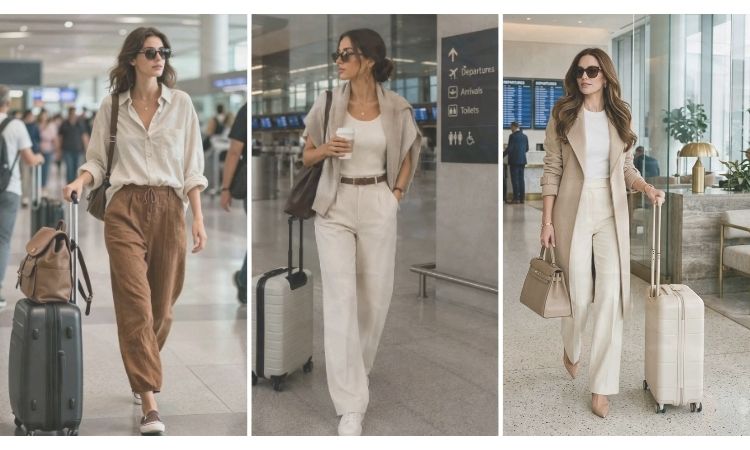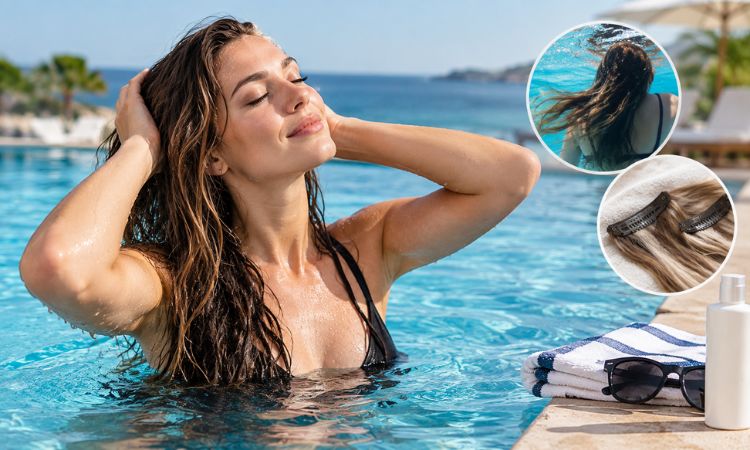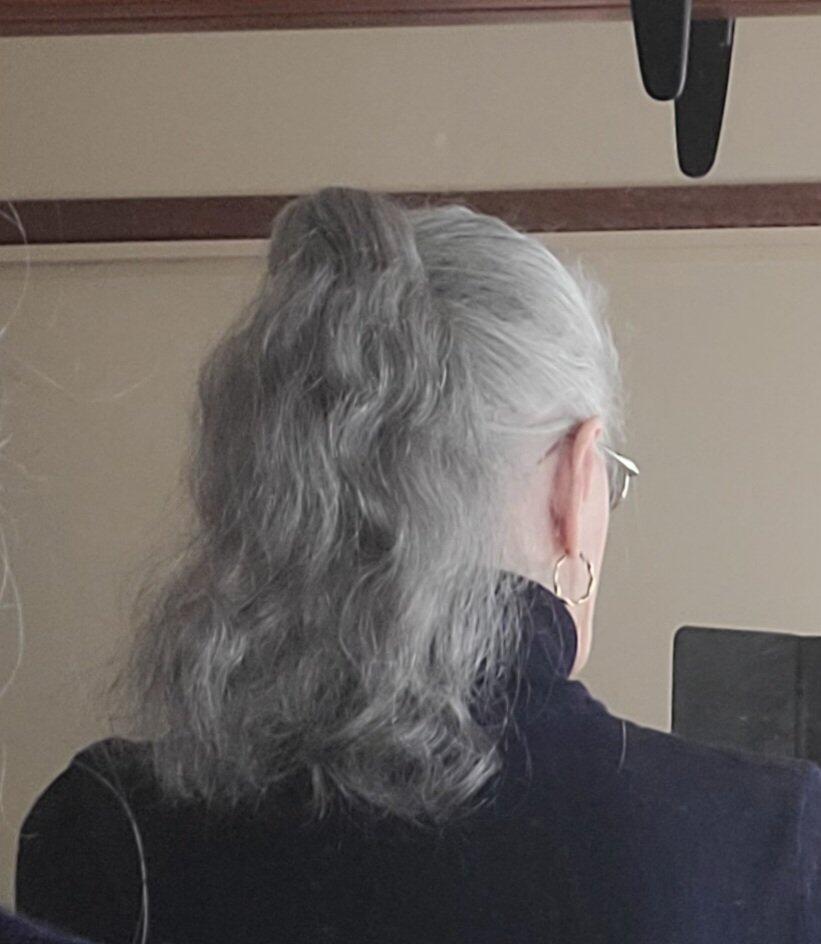

Choosing hair extensions should not start with the longest length or fullest set. The best hair extensions are the ones that suit your natural hair, your goal, your routine, and the maintenance you are comfortable with.
If you are shopping for hair extensions in the United States, you will find everything from temporary clip-ins and halos to salon-installed tape-ins, wefts, I-tips, and keratin-tip extensions. None is automatically “best” for everyone.
At Gemeria Hair, we recommend choosing in this order: decide what result you want, assess your natural hair density and texture, select the right attachment method, then choose quality, weight, length, texture, and color.
Quick Guide: Which Hair Extension Type Is Best for You?
| Extension Type | Best For | Commitment | Application |
|---|---|---|---|
| Clip-ins | Beginners, events, occasional volume or length | Low | At home; remove daily |
| Halo Extensions | Fast, temporary length and volume | Low | At home; remove daily |
| Tape-ins | Seamless everyday wear | Medium | Usually professional |
| Weft Extensions | Fuller transformations and medium-to-thick hair | Medium to high | Professional |
| I-tip/K-tip Extensions | Individual placement and longer-term wear | High | Professional |
1. Decide Whether You Need Length, Volume, or Both
Before comparing extension types, define what you want to change.
If your hair is already long but looks thin through the ends, you may need volume rather than dramatic extra length. A lighter volumizer or shorter set can look more natural than adding very long, dense hair.
If your hair is shorter and you want a noticeable transformation, you may need both length and enough density to blend where your natural hair ends.
Choosing by goal helps prevent buying more hair than you actually need.
2. Match the Extension Method to Your Lifestyle
For occasional wear, weddings, weekends, photos, or nights out, clip-in hair extensions are one of the easiest choices. You apply them when needed and remove them before sleeping.
Halo extensions are another low-commitment option for quick temporary volume and length.
If you want extensions already in place every morning, semi-permanent options such as tape-in hair extensions may fit better. Wefts, I-tips, and keratin tips can also suit longer-term wear, but they require professional installation and regular maintenance.
The best method is the one you can realistically maintain.
3. Choose According to Your Natural Hair Density
Hair density should influence both the attachment method and how much hair you add.
Fine or Low-Density Hair
With fine or low-density hair, lightweight extensions are usually easier to conceal and more comfortable. Look for flatter attachment methods and realistic density rather than the heaviest set available.
Lightweight clip-ins or halo-style extensions may work well for temporary wear. Professionally installed tape-ins can also create a flat, seamless result for some fine-hair clients.
If your hair is actively shedding, breaking, or has significant sparse areas, extensions may not be the right cosmetic solution. A hair topper may be more suitable for coverage.
Medium or Thick Hair
Medium-density hair can usually work with many extension methods, so lifestyle and maintenance become more important.
Thick hair often needs more extension density to avoid a visible “step” between natural hair and added length. Fuller clip-in sets, wefts, or salon-installed methods can create a more balanced blend.
4. Pay Attention to Human Hair Quality
For natural movement and styling flexibility, we recommend high-quality human hair extensions.
Terms such as Remy, virgin, and raw should not be treated as identical. Remy generally refers to hair with cuticles aligned in the same direction. Virgin hair generally describes hair that has not been chemically processed. Raw hair refers to human hair kept in its natural state without chemical texture or color processing.
Do not choose based on labels alone. Look for clear information about sourcing, processing, cuticle alignment, texture, and care. Good extension hair should move naturally, blend realistically, and remain manageable with proper care.
5. Choose the Right Weight and Density
More grams do not automatically mean better hair extensions.
The correct amount depends on your natural density and whether you want subtle fullness or a major increase in length.
Fine hair may look unbalanced under an extremely heavy set. Thick hair may require more extension hair to blend properly.
Think of weight as a blending decision. For volume only, a lighter solution may be enough. For a dramatic length change, you generally need enough density to connect your natural ends to the added length.
6. Match Color and Texture Carefully
Even premium extensions can look obvious if the color or texture is wrong.
For most length and volume extensions, match your mid-lengths and ends, not only your roots. This matters especially if you have highlights, balayage, ombré, or darker regrowth.
Check your hair in natural daylight and compare:
- Overall color depth
- Warm, cool, or neutral undertone
- Highlights and lowlights
- Color through the ends
Multidimensional hair may blend better with a highlighted, rooted, balayage, or mixed shade than with one flat color.
Texture matters too. Straight extensions against naturally wavy or curly hair may show a visible difference even when the color is perfect. Choose a texture close to your own hair or plan to style both together.
7. Pick a Realistic Length
Longer is not always better.
A large jump from short natural hair to extra-long extensions needs more density and careful blending. If you are new to extensions, a moderate increase in length can be easier to wear and style.
The same extension length also falls differently depending on your height and hair texture. Curly or wavy extensions can appear shorter than straight hair of the same measured length.
Choose the finished look you want, not simply the largest number on the product page.
8. Consider Maintenance Before You Buy
Temporary extensions require daily application and removal but little salon commitment.
Semi-permanent methods remove the daily installation step but require maintenance appointments, careful washing, proper drying around attachments, and professional repositioning or removal.
Before buying, ask:
- How often will I wear extensions?
- Do I want regular salon appointments?
- Do I swim or exercise frequently?
- How much time can I spend on hair care?
- Do I want temporary flexibility or everyday wear?
How to Tell If Hair Extensions Are Good Quality
Before choosing a set, look beyond price and length. Check for:
- Human hair when natural styling flexibility is important
- Clear information about processing and hair type
- Consistent density through the lengths
- Natural texture and movement
- Well-finished clips, tapes, bonds, or wefts
- Enough shade options for accurate matching
- Clear application and care guidance
Be cautious when a seller uses broad premium claims but gives little information about what the hair actually is.
What Are the Best Hair Extensions Overall?
There is no single best extension type for every woman.
For beginners and occasional wear, clip-ins and halos offer flexibility. For seamless everyday wear, professionally installed tape-ins can be a strong option. For fuller or longer-term transformations, wefts, I-tips, or keratin-tip extensions may make more sense.
The best hair extensions are the ones that match your natural hair density, texture, color, lifestyle, and desired result.
At Gemeria Hair, we believe the goal should be a natural-looking result, not simply maximum length or volume. Start with your own hair, understand what it needs, and choose the extension around that not the other way around.