
Have you started noticing more of your forehead in photos? Maybe the hair around your temples looks thinner than it used to, your baby hairs seem less visible, or your favourite ponytail no longer looks as full. You may even find yourself avoiding hairstyles that pull your hair away from your face.
If any of this sounds familiar, you may be experiencing hairline thinning or a receding hairline.
A changing hairline can be frustrating, but it doesn't mean you have to give up on the hairstyles you love. There are several ways to cover a receding hairline for women, from simple styling changes and hair fibres to bangs and specialised hair toppers.
Before choosing a coverage solution, however, it's helpful to understand what may be causing the change in your hairline.
What Does a Receding Hairline Look Like in Women?
A receding hairline in women can appear differently from person to person. It may happen gradually, making the changes difficult to notice at first.
You might notice:
- Thinner hair around the temples
- Less density along the front hairline
- More visible scalp near the forehead
- Fewer or finer baby hairs
- A forehead that appears more prominent
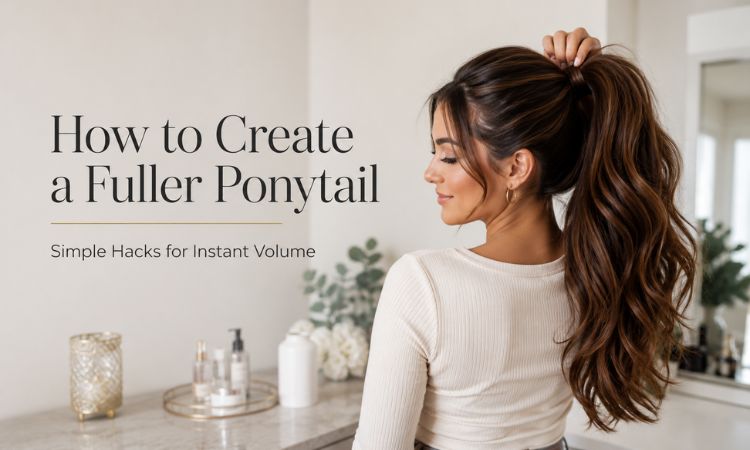
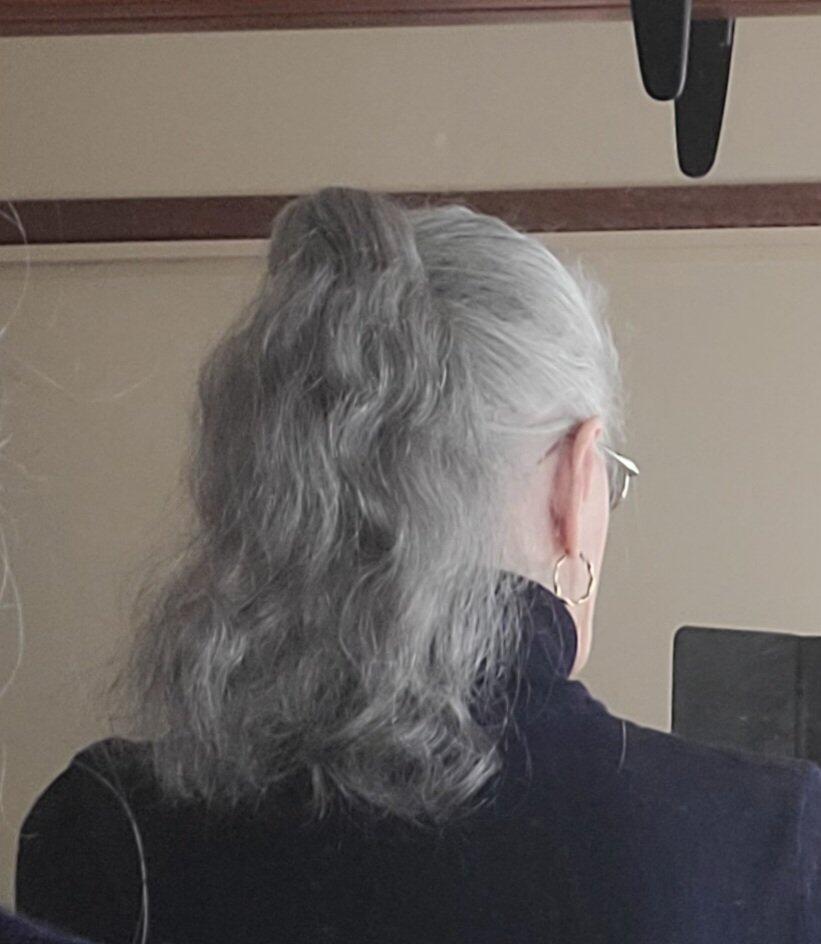
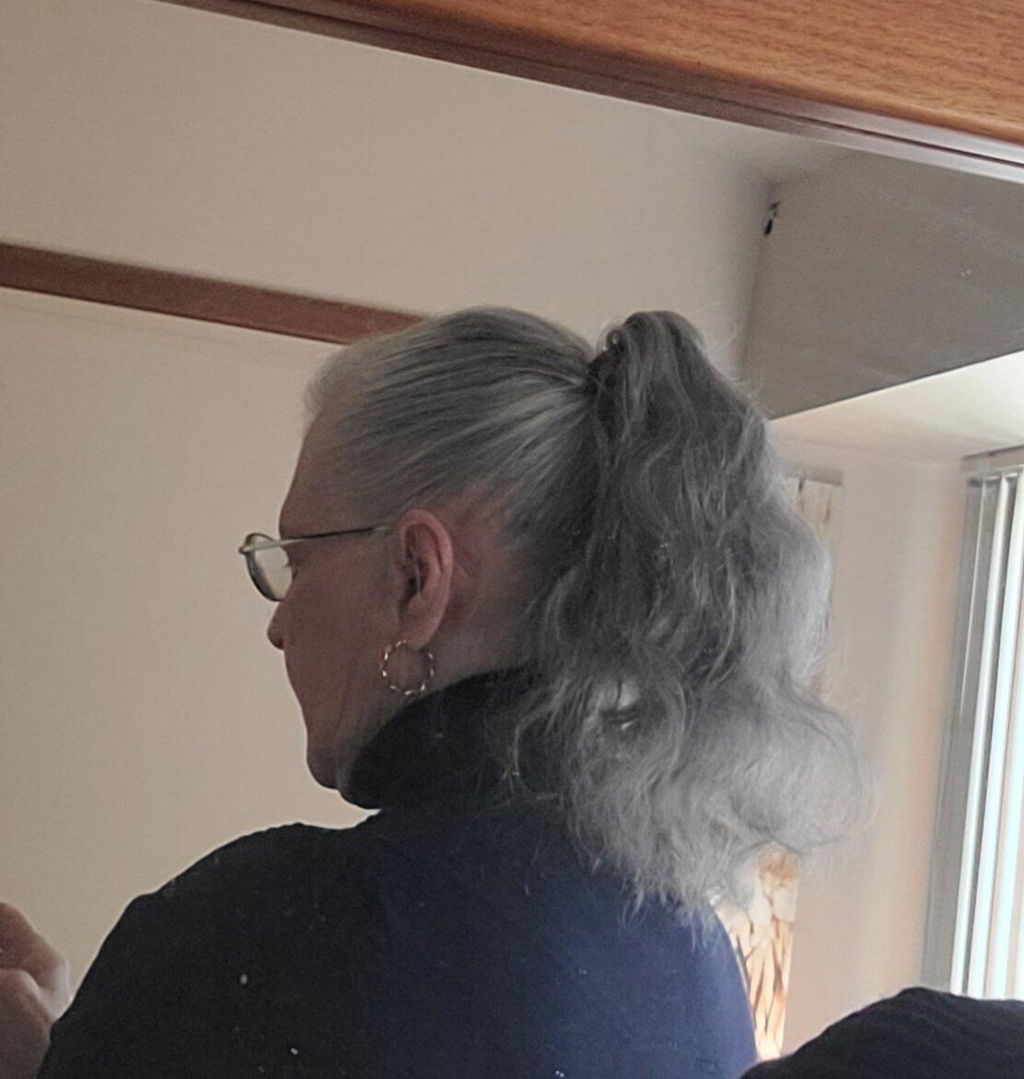
- A thinner-looking ponytail
- Thinning around the part
- Hairline gaps that become more noticeable when your hair is pulled back
If your forehead has always looked the same, you may simply have a naturally higher hairline. But if you are noticing a gradual change in the position or density of your hairline, it is worth paying attention to it.
What Causes a Receding Hairline in Women?

There isn't one universal reason for a female receding hairline.
Female pattern hair loss is one of the most common causes of hair thinning in women. It generally causes gradual thinning over the top of the scalp and widening of the part, although some women may also experience thinning around the temples and front hairline.
Another possible cause is traction alopecia. Repeatedly wearing tight ponytails, buns, braids or hairstyles that pull on the hair can put continuous tension on the follicles, particularly around the front and sides of the scalp.
Hormonal changes, pregnancy, menopause, stress, nutritional issues, certain medications and other health conditions can also contribute to hair loss.
Some women may experience conditions that specifically affect the front hairline. For example, frontal fibrosing alopecia can cause progressive recession around the front and sides of the scalp and requires professional evaluation.
This is why covering the hairline can improve its appearance, but it shouldn't replace finding out why the hair is becoming thinner.
How to Cover a Receding Hairline
1. Try Curtain or Side-Swept Bangs

One of the easiest ways to hide a receding hairline for women is to introduce bangs hairstyles.
Curtain bangs can create soft coverage across the forehead while framing the face. Side-swept bangs can also direct attention away from thinning around the temples and create a softer-looking hairline.
If your natural hair is already thin at the front, avoid creating extremely heavy bangs by pulling large amounts of hair forward. A lightweight, natural-looking fringe can be a better option.
2. Change Your Hair Part

Your parting can significantly affect how visible your scalp looks.
If you normally wear a centre part, try moving it slightly to one side. A soft side part can change the way your hair falls around your forehead and may make thinning areas less noticeable.
You can also combine a new part with gentle root volume to create a fuller-looking hairstyle.
3. Use Hair Fibres or Scalp Concealers
If you still have hair in the thinning area, hair fibres and scalp concealers can provide temporary coverage.
Hair fibres attach to existing strands and create the appearance of increased density. Root powders and concealers can also reduce the contrast between your scalp and hair colour.
These can be useful when you need quick coverage for a wedding, work event, holiday, photoshoot or everyday styling.
Remember that these products camouflage thinning; they don't treat its underlying cause.
4. Avoid Hairstyles That Pull on Your Hairline

When your hairline is already becoming thinner, constantly pulling your hair tightly backwards isn't ideal.
Tight ponytails, sleek buns, braids and other tension-heavy hairstyles can contribute to traction alopecia when worn repeatedly. The American Academy of Dermatology recommends avoiding hairstyles that continuously pull on the hair.
Instead, try loose ponytails, relaxed buns hairstyles or other hairstyles that allow your hairline to remain free from constant tension.
A simple rule is useful: if your hairstyle feels painful or tight, loosen it.
Also Read: Hairstyles to Hide Thinning Hair Effortlessly
5. Add Gentle Volume
Flat hair can make a thinning hairline look more noticeable.
A lightweight volumising mousse or root-lifting product can give your existing hair more body. Gentle blow-drying can also help lift the roots and create the appearance of greater density.
Avoid excessive heat, harsh brushing and aggressive backcombing, especially around fragile hair near the temples and front hairline.
6. Consider a Hair Topper for a Receding Hairline

If styling products aren't providing enough coverage, a frontline hair topper for a receding hairline can offer a more comprehensive cosmetic solution.
A hair topper adds hair specifically to areas where you need additional coverage rather than covering the entire head. Depending on the design, it can help disguise thinning around the front, part or crown while blending with your existing hair.
For women whose primary concern is the front hairline, a receding hairline topper can be particularly useful.
When selecting a topper, consider:
- Base size and coverage area
- Hair colour
- Hair texture
- Hair length
- Hair density
- Base material
- How naturally the front blends with your own hair
The right match is more important than simply choosing the densest option.
Also Read: Everything You Should Know About Front Hairline Toppers for Hair Thinning
7. Try a Hair Topper With Bangs
If your concern is mainly around your forehead and front hairline, a hair topper with bangs can provide both coverage and a hairstyle transformation.
The bangs can cover the front of the hairline, while the topper adds fullness behind them. This can be especially useful if you want to make a high or thinning hairline look softer without depending entirely on your natural front hair.
Depending on the topper's construction and hair quality, bangs can often be styled into different looks, including soft fringes, side-swept bangs or curtain-style framing.
Can a Hair Topper Cover a Receding Hairline?
Yes, a properly selected topper can help cover a receding hairline in women.
However, the design matters. If your thinning is concentrated around the front and temples, a topper designed mainly for crown coverage may not provide the result you're looking for.
Look for a topper that provides appropriate front coverage and blends naturally with your existing hair.
A good match should look like an extension of your hairstyle rather than an obvious piece sitting on top of it.
Can a Receding Hairline Grow Back?
Whether a thinning hairline can grow back depends on its cause.
Some types of hair loss can improve when the underlying trigger is identified and treated. Female pattern hair loss can be managed with appropriate treatments, while traction-related thinning may improve when repeated tension is removed, especially when addressed early.
If the hairline is progressively changing, it's better to seek professional advice rather than assuming it is simply part of getting older.
Cosmetic coverage and treatment can also work alongside each other. You can use a topper or styling solution to feel more confident about your appearance while investigating the cause of your hair loss.
Find the Right Solution for Your Hairline
Hairline thinning can affect how you feel about your appearance. You might stop wearing your hair in a ponytail, avoid certain photographs or spend extra time trying to position your hair so that your temples aren't visible.
But you have options.
For women who want immediate, natural-looking coverage, Gemeria Hair has created specialised solutions for common concerns such as front hairline thinning and recession. These include receding hairline toppers, hair toppers with bangs and customised human hair toppers designed to add coverage and fullness where you need it.
Whether you want subtle coverage around the temples, a fuller-looking front hairline or a completely refreshed hairstyle with bangs, choosing the right hair solution can help you style your hair with greater confidence.
A changing hairline doesn't mean you have to stop enjoying your hair. With the right styling and coverage solution, you can create the fuller, more natural-looking hairstyle you want.